Water bill suddenly doubles or triples
We pressure test both supply lines, listen with acoustic gear, and pinpoint the leak. Once located, we repair the line and verify the pressure holds. Most repairs stop the water loss the same day.
Concrete Slab Leak Detection Venice FL starts with finding the exact break under your floor, not guessing at it. We run acoustic listening gear, thermal imaging, and pressure tests to isolate hot water line slab leaks, cold water line slab leaks, and hidden slab leaks in homes across Sarasota County. If your water bill jumped or a warm spot appeared on the tile, call (941) 393-1086 and we will locate it the same day.
Tell us what is happening. A local dispatcher will confirm your visit shortly.
Call Now (941) 393-1086 → No spam. No obligation. Just practical help.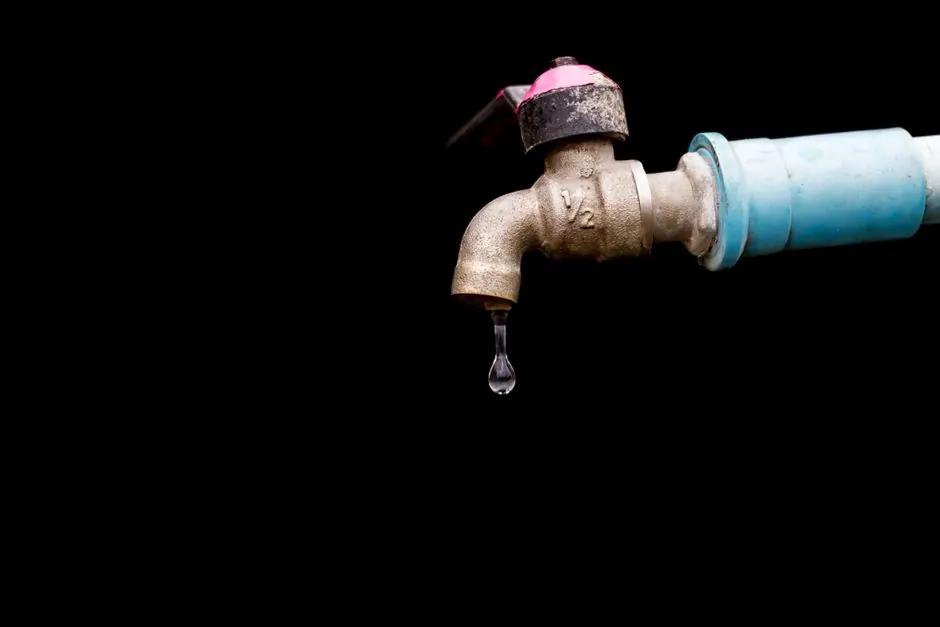
Concrete Slab Leak Detection Venice FL is a diagnostic plumbing service that pinpoints water escaping from supply or drain lines buried beneath a concrete floor slab. We pressurize the line, then listen for the leak with an acoustic leak detection microphone and scan the floor with a thermal imaging camera. A pressure testing gauge confirms the drop, and a pipe locator maps the line so we know exactly where to open the slab. No exploratory demolition, no guesswork.
Most Venice homes sit on slab-on-grade foundations, and the combination of sandy soil, salt air, and older copper or polybutylene pipe means under-slab water leaks are common. If you hear water running when nothing is on, notice a hot spot on the floor, or see your water bill climb, that is usually a slab leak. We handle concrete slab leak finding Venice FL for homeowners, condo owners, and property managers from Venice Beach to Venice Gardens.
Every detection visit includes the full diagnostic workup. If a repair is needed, we quote it separately before we cut. Here is what you get when you book us.
We isolate and pressurize the hot and cold supply lines with a pressure testing gauge. A drop in pressure confirms a leak on that line and tells us which system to focus on.
Using an acoustic leak detection microphone, we listen for the sound of water escaping under the slab. We walk the floor in a grid pattern to narrow the location.
A thermal imaging camera shows temperature differences on the floor. Hot water leaks appear as warm spots; cold leaks show as cool areas. This helps confirm the acoustic findings.
We use a pipe locator to trace the exact path of the line under the slab. We mark the floor with tape so you can see the target. This is the spot we will open if a repair is needed.
We use a moisture meter and infrared thermometer to check for hidden moisture around the suspected area. This confirms the leak and helps rule out other sources like a drain leak.
You get a clear summary of what we found, where the leak is, and what repair options make sense. We include the pressure readings and thermal images so you have a record.
You tell us what you are seeing: high water bill, warm floor spot, sound of running water, or a moisture meter reading. We ask a few questions to narrow the likely line, then schedule a same-day or next-morning visit. No charge for the call.
We isolate the hot and cold supply lines and attach a pressure testing gauge. If the gauge drops, we know the leak is on the pressurized side. This step takes about 20 minutes and tells us whether we are chasing a supply leak or a drain leak.
With the line pressurized, we walk the floor using an acoustic leak detection microphone and a thermal imaging camera. The microphone picks up the hiss of escaping water; the camera shows the temperature difference. Together they point to the break.
A pipe locator traces the exact path of the copper, PEX, or polybutylene line under the slab. We mark the floor with tape so you can see the target. This is the spot we will open if a repair is needed.
We show you the pressure readings, the thermal images, and the marked location. You get a clear repair recommendation, an upfront price, and options if rerouting makes more sense than cutting. No pressure, no surprise add-ons.
Purpose-built equipment, used by trained technicians — so the job is done accurately the first time.
Listens for the sound of water escaping under the slab. We walk the floor in a grid to narrow the leak to a few inches.
Shows temperature differences on the floor surface. Hot water leaks appear as warm spots; cold leaks show as cool areas.
Isolates and pressurizes the hot and cold lines. A pressure drop confirms a leak on that line and tells us which system to focus on.
Traces the exact path of the copper, PEX, or polybutylene line under the slab so we can mark the repair spot.
Confirms hidden moisture around the suspected area and helps rule out drain leaks or surface water.
Inspects drain lines and accessible piping to rule out other sources of water under the slab.
A homeowner in Venice Beach noticed a warm spot on the tile and a water bill that jumped from $60 to $180. The floor was damp near the hallway, and the sound of running water was audible at night. Another company had quoted a full floor tear-out.
We pressure tested the hot water line, confirmed the drop, and used acoustic and thermal tools to pinpoint the leak within a 6-inch area. We cut one small square, repaired the copper pinhole, and patched the slab. The water bill returned to normal the next month.
A rental property in Venice Gardens had a cold water line slab leak that kept returning. The previous repair had patched one spot, but the water bill stayed high. The tenant reported damp carpet in the bedroom.
We pressure tested the cold line, found multiple failing fittings, and recommended rerouting the line in PEX through the attic. The reroute avoided further slab cuts. The water bill dropped by 40%, and the carpet dried out.
A condo owner in Marina Peninsula had water leaking into the unit below. The HOA required a detection report before any repair. Two other companies had failed to find the leak with basic listening tools.
We used pressure testing, acoustic listening, and thermal imaging to locate the leak under the bathroom floor. We repaired the copper line, restored the tile, and provided a written report for the HOA. The neighbor's ceiling was repaired, and no further leaks occurred.
A slab leak never gets better on its own. Here are the most common problems we see and how we fix them.
Ask a pro →We pressure test both supply lines, listen with acoustic gear, and pinpoint the leak. Once located, we repair the line and verify the pressure holds. Most repairs stop the water loss the same day.
We use thermal imaging to confirm the hot spot, then acoustic listening to pinpoint the break. We repair the copper or PEX line, patch the slab, and test the hot water line before we leave.
We isolate the lines and pressure test to confirm the leak. Acoustic equipment lets us hear the exact spot. We mark it, repair it, and verify the sound is gone before we finish.
We locate the leak with thermal and acoustic tools, repair the line, and dry the area. We also check for any secondary moisture with a moisture meter. You get a dry floor and a fixed line.
$250 - $550 for detection; repairs typically $800 - $2,500 depending on scope
Typical 2026 pricing for concrete slab leak detection in Venice runs $250 to $550, depending on how many lines we test and how complex the layout is. That covers pressure testing, acoustic scanning, thermal imaging, pipe locating, and a written summary. If a repair is needed, we quote it separately before we cut. We keep our pricing honest and upfront so you can decide with clear numbers.
Finding the leak is what saves you money. A precise detection means a smaller concrete cut, less flooring damage, and a faster repair. Guessing can cost thousands in unnecessary demolition. Our upfront pricing lets you make the call with clear numbers.
Most homes have one hot and one cold supply line under the slab. If we need to test additional lines or a drain line, the time increases. We tell you the price before we start.
Tile, wood, and carpet all affect how we scan and where we can cut. Some floors are easier to restore than others. We factor in the patch work when quoting a repair.
A leak near the edge of the slab is easier to access than one in the center of a large room. Depth of the pipe also matters. We mark the spot so you can see the target.
If the pipe is too corroded to repair, rerouting through the attic or walls may be the better option. Rerouting often costs more upfront but avoids future slab cuts. We give you both prices.
“We noticed a warm spot on the tile and our water bill jumped. Venice Slab Leak Pros came out the same day, used a thermal camera and microphone, and marked the leak within a few inches. They cut one small square, fixed the copper line, and patched it. No mess, no guesswork. Worth every penny.”
Karen M.Homeowner, Venice Beach
✓ Verified“I manage several rentals and have used these guys twice for slab leaks. Both times they found the leak fast and gave me a clear price before cutting. The tenants were without water for less than a day. They know what they are doing with polybutylene pipe too.”
Dave R.Property Manager, Venice Gardens
✓ Verified“Our condo had a hidden slab leak that another company could not find. Venice Slab Leak Pros used pressure testing and acoustic gear and located it in under two hours. They coordinated with our HOA and repaired the line without tearing up the whole floor. I highly recommend them.”
Linda S.Condo Owner, Marina Peninsula
✓ VerifiedWe isolate the supply lines, pressurize them with a gauge, then listen for the leak with an acoustic microphone and scan the floor with a thermal camera. A pipe locator maps the line so we can mark the exact spot. The whole process usually takes two to four hours, and you get the findings the same day.
Most detection jobs in Venice run $250 to $550 in 2026, depending on how many lines we test and whether it is a simple hot water line slab leak or a more complex under-slab water leak. The price includes pressure testing, acoustic scanning, thermal imaging, and a marked location. Repair costs are quoted separately before we cut.
Yes. We confirm the leak location with electronic and acoustic equipment before any concrete is opened. Most homes need a single small cut, often less than two square feet, directly over the marked spot. If rerouting the line is a better option, we can often avoid cutting the slab altogether.
The best method combines pressure testing with acoustic listening and thermal imaging. No single tool is perfect, but together they pinpoint the break within a few inches. We also use a moisture meter and infrared thermometer to confirm the reading. That is how we keep the concrete cut small and the repair fast.
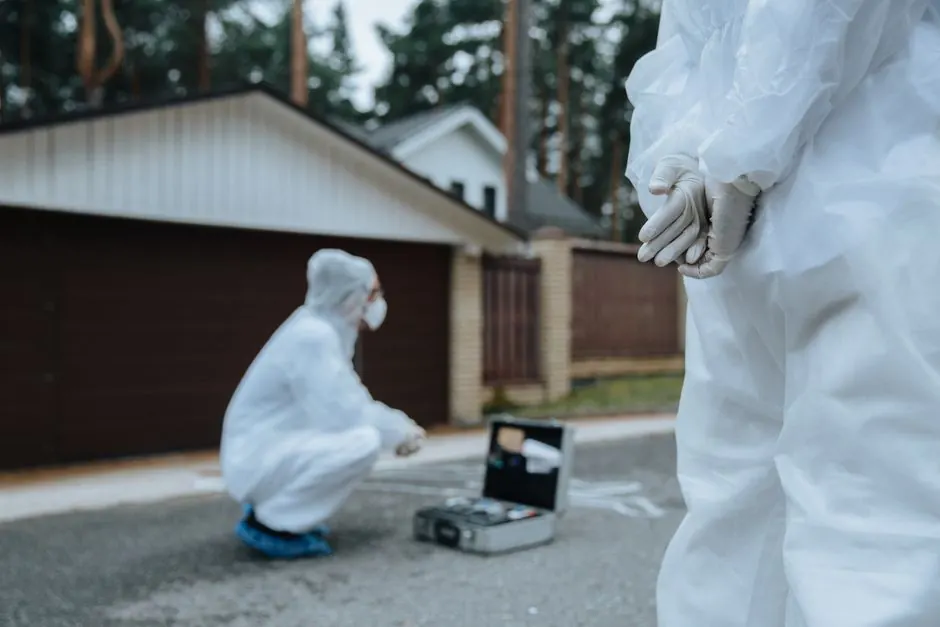 Slab Leak DetectionOur core service. We pressurize, listen, and scan to find the break under your slab. This is the first step before any repair, and it is what saves you from unnecessary demolition.Explore →
 Under-Slab Water Leak RepairOnce we locate the leak, we open the slab, repair or replace the damaged section, and patch the concrete. Most repairs are finished in a single day, and we test the line before we close it up.Explore →
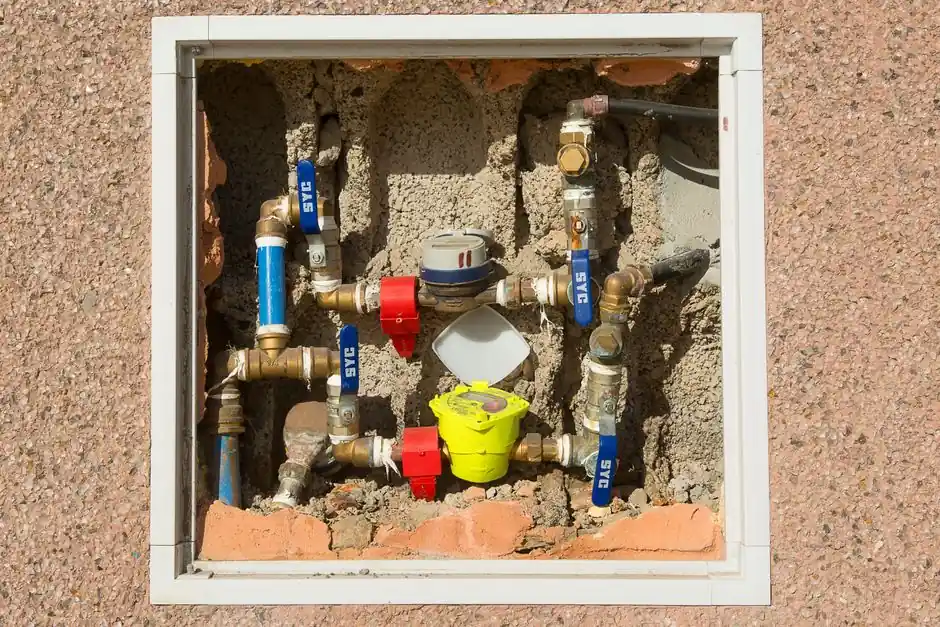 Hot Water Line Slab Leak RepairHot water lines are the most common slab leak we find in Venice. You may notice a warm spot on the floor or hear water running. We repair the line and restore the slab the same day.Explore →
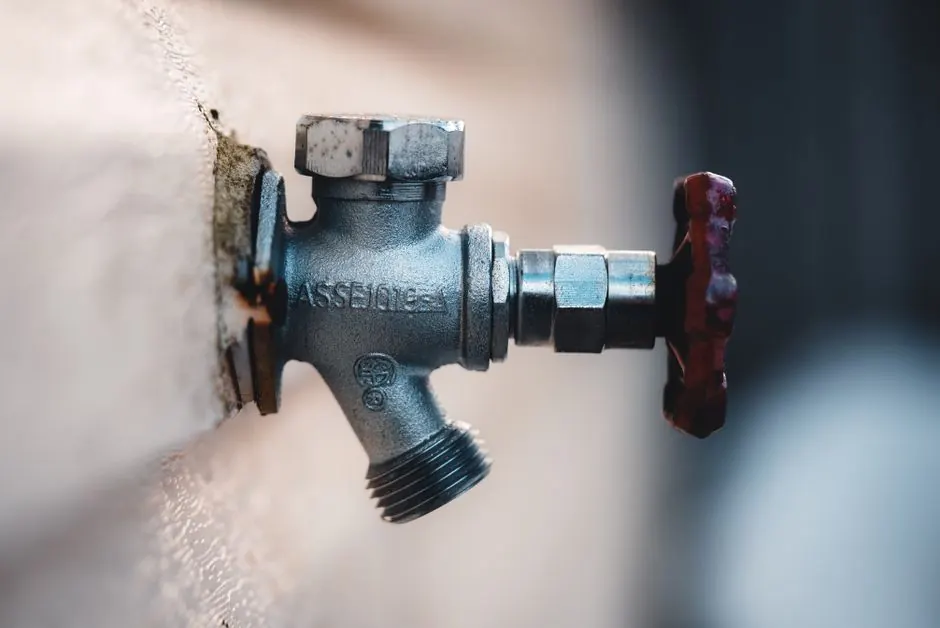 Cold Water Line Slab Leak RepairCold water slab leaks often show up as a high water bill or a damp spot that never dries. We locate the break, repair the line, and verify the pressure holds before we leave.Explore →
 Copper Pipe Slab Leak RepairCopper pipe corrosion is a leading cause of under-slab leaks in older Venice homes. We repair the pinhole or section, or reroute the line in PEX if the copper is too far gone.Explore →
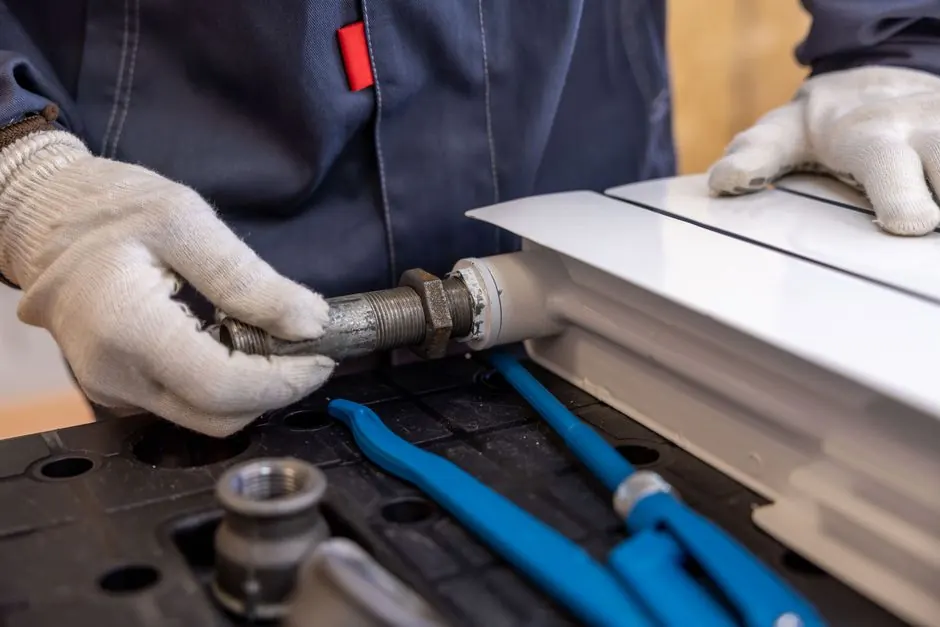 PEX Pipe Slab Leak RepairPEX is flexible and resistant to corrosion, but it can still fail at fittings. We locate the leak, repair the connection, and pressure test the line to confirm it holds.Explore →
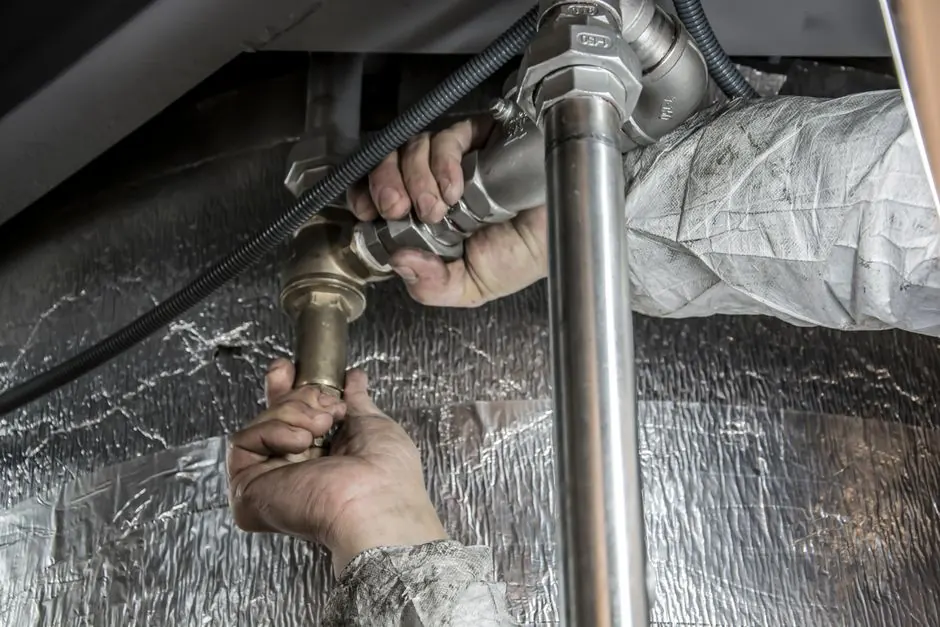 Polybutylene Pipe Slab Leak RepairPolybutylene pipe failure is common in homes built between the late 1970s and mid-1990s. We detect the leak and recommend replacement or rerouting, since polybutylene will keep failing.Explore →
 Water Leak Detection Under ConcreteWe use acoustic and thermal tools to find leaks under concrete slabs, driveways, and garage floors. If you suspect water is escaping under a hard surface, we can pinpoint it.Explore →
Water under your slab does not fix itself. Call (941) 393-1086 and we will pinpoint the leak, give you an upfront price, and repair it right. Licensed, insured, and warrantied. Same-day service across Venice, FL and Sarasota County.
Call Now (941) 393-1086 →Reach us at (941) 393-1086 any hour for slab leak detection and repair in Venice, Florida. We answer the phone ourselves, and emergency calls get a truck rolling fast. For scheduled work, we book same-day detection most weekdays and confirm your window before we head out.