Water meter spinning with every fixture off
We isolate the hot and cold runs and pressurize each one. The line that drops is the line with the leak. From there we trace it with a pipe locator and mark the floor.
Slab Leak Pressure Testing Venice FL isolates a hidden under-slab water leak before anyone cuts concrete. We pressurize the line, watch the gauge, and confirm whether the hot or cold run is losing water. If you hear water running with every fixture off, or your meter keeps spinning, call (941) 393-1086 and we will find it.
Tell us what is happening. A local dispatcher will confirm your visit shortly.
Call Now (941) 393-1086 → No spam. No obligation. Just practical help.
Slab Leak Pressure Testing Venice FL is a diagnostic procedure that pressurizes a water line under your foundation and measures whether it holds. We shut off the fixtures, isolate the hot and cold runs, and connect a calibrated pressure testing gauge to the system. If the needle drops, water is escaping somewhere below the slab. We then use a pipe locator and an acoustic leak detection microphone to narrow the break to a few square feet instead of tearing up a whole room.
Most Venice homes sit on a concrete slab poured over sandy soil, and that soil moves. Copper pipe corrosion and polybutylene pipe failure are the two calls we run most. A pressure testing for slab leaks Venice visit tells you whether the problem is the supply line or a drain line, which changes the repair entirely. We also see it after a winter cold snap or a long dry spring, when the ground shifts and a fitting finally lets go.
Every visit includes isolation of the hot and cold runs, a calibrated gauge test, and at least one confirming method. We document the readings and mark the leak location on your floor. If you approve the repair the same day, we credit part of the test toward the fix.
We shut down and isolate each run separately so we know exactly which line is losing pressure. That single step prevents cutting into the wrong side of the slab.
A pressure testing gauge holds the line at working pressure while we watch for a drop. You see the needle move, or you see it hold. No guesswork.
An acoustic leak detection microphone and a thermal imaging camera confirm the gauge reading. Two methods agreeing means we mark the right spot.
We tape the floor where the leak sits and show you the spot. You know where the repair will happen before anyone picks up a saw.
You get the gauge numbers and the location in writing. Useful for insurance claims and for any future work on the same line.
We close the main and every fixture valve, then isolate the hot and cold runs separately. This takes about 15 minutes. You will see the water meter stop before we start, which confirms the loss is on your side of the meter.
We connect a pressure testing gauge and bring the line up to normal working pressure, usually 40 to 80 psi. We hold it and watch the needle. A drop over a set window means water is leaving the system.
An acoustic leak detection microphone picks up the hiss of escaping water, and a pipe locator traces the run under the slab. We mark the floor with tape so you can see exactly where the problem sits.
A thermal imaging camera and infrared thermometer show the temperature difference where water is moving under the slab. On a hot line, that warm signature is hard to miss. Two methods agreeing means we are not guessing.
We show you the readings, the marked spot, and the repair options, then quote the fix on the spot. If you approve, we schedule the access and repair. Most repairs are done within one to two days of the test.
Purpose-built equipment, used by trained technicians — so the job is done accurately the first time.
Holds the line at working pressure and shows whether it drops. This is the core of the test.
Listens for the hiss of escaping water through the slab and narrows the leak to a few square feet.
Shows the temperature signature of moving water, especially useful on hot water line slab leaks.
Traces the under-slab run so we know exactly where to mark the floor and where to cut.
Checks how far the water has spread and whether the slab is saturated around the leak.
Looks inside accessible lines to confirm corrosion or a failed fitting before we commit to a repair plan.
A homeowner in Venice Gardens heard water running at night and found a warm strip along the hallway. The water bill had climbed for two months, and two other plumbers wanted to open the entire floor.
We pressure tested the hot run, confirmed the drop, and located the break with the acoustic microphone. One access cut under 2 square feet, a new copper section, and the gauge held at 70 psi.
The meter never stopped spinning, but the floor stayed cool and dry. The homeowner had no idea where the water was going and was ready to replace the whole slab section.
Pressure testing isolated the cold run and showed a steady drop. We traced it to a failed fitting under the kitchen, repaired it, and re-pressurized to confirm. The bill dropped back to normal the next cycle.
A Venice Beach home had a second leak in three years on the same polybutylene line. The owner was tired of cutting concrete and wanted a permanent fix.
We pressure tested the line, confirmed the loss, and rerouted the run through the attic with PEX. No more slab cuts. The new line held pressure on the first test.
Most slab calls start the same way: a spinning meter, a warm floor, or a water bill that doubled. Pressure testing turns that mystery into a location and a plan.
Ask a pro →We isolate the hot and cold runs and pressurize each one. The line that drops is the line with the leak. From there we trace it with a pipe locator and mark the floor.
A pressure test on the hot run confirms it, and thermal imaging shows the warm signature. We repair the failed section and re-test before patching the concrete.
An acoustic leak detection microphone narrows the sound to a few square feet. Pressure testing confirms the line, and we open a small access point instead of a trench.
We run a full pressure test and compare hot and cold runs. If the loss is on the supply side, we locate it and quote the repair the same visit.
$180 - $450 for the test, with repair credited if you approve the fix the same day
Typical 2026 pricing for slab leak pressure testing in this area runs $180 to $450. The range depends on how many lines we isolate, how hard the run is to trace, and whether it is an after-hours call. If you approve the repair the same day, we credit part of the test toward the fix. You get the number before we start, and there is no charge for the estimate.
A pressure test costs a fraction of exploratory demolition. It tells you where the leak is before anyone cuts, which protects your flooring and your budget.
Testing both the hot and cold runs takes longer than a single line. Most homes need both to rule out a second leak.
A line under thick tile or a deep slab takes more time to trace. We use a pipe locator to keep the search tight.
Emergency calls at night or on a holiday carry a higher rate. Same-day weekday slots are the most economical.
A gauge test alone is the base price. Adding acoustic and thermal confirmation takes a bit more time but narrows the leak faster.
“Our water bill jumped and we could hear water running at night. They pressure tested the hot line, found the leak under the hallway, and cut one small square in the tile. The gauge held after the repair. No more running water, and the floor patch looks fine.”
Dana R.Homeowner, Venice Gardens
✓ Verified“Two other plumbers wanted to jackhammer the whole kitchen. Venice Slab Leak Pros pressure tested first, isolated it to the cold line, and opened a spot about the size of a dinner plate. Saved us thousands in flooring. Straight answers the whole way.”
Miguel S.Homeowner, South Venice
✓ Verified“We had a warm spot near the bathroom and the HOA wanted proof before anything was touched. They ran the pressure test, showed the gauge drop, and gave us readings in writing. The board approved the repair that week. Professional and quick.”
Karen T.Condo Owner, Venice Beach
✓ VerifiedWe isolate the hot and cold lines, pressurize the system to 40-80 psi, and watch a calibrated gauge for a drop. A falling needle means water is escaping under the slab. We then confirm the spot with an acoustic microphone and thermal imaging before anyone cuts concrete. The whole test usually runs 60 to 90 minutes.
Typical 2026 pricing in this area runs $180 to $450 for the test, depending on how many lines we isolate and how hard the run is to trace. If you approve the repair the same day, we credit a portion of the test toward the fix. You get the number before we start.
Yes. A pressure drop on an isolated line is direct evidence that water is leaving the system under the slab. We pair it with acoustic and thermal readings so you get two independent confirmations. That combination is what separates a real diagnosis from a guess.
We do, across Venice and the rest of Sarasota County. We cover 34285, 34292, and 34275, including North Venice, South Venice, and Venice Gardens. Call (941) 393-1086 for a same-day slot or an after-hours emergency visit.
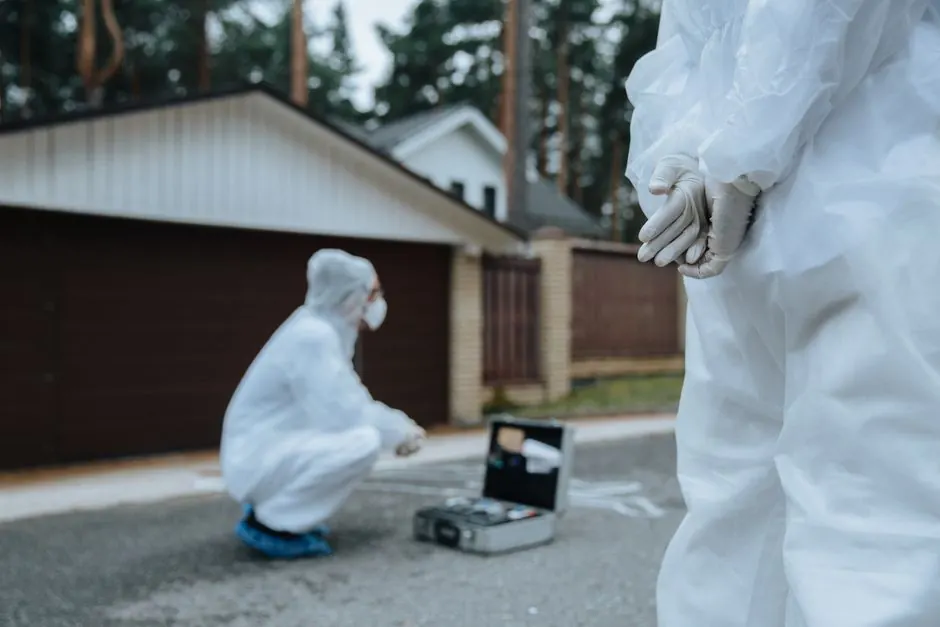 Slab Leak DetectionPressure testing is one tool in a full detection visit. We combine acoustic listening, thermal imaging, and pipe locating to find the break before we quote the repair.Explore →
 Under-Slab Water Leak RepairOnce the test confirms a supply-side loss, we open a small access point, repair the line, and re-pressurize to prove the fix holds before we patch the concrete.Explore →
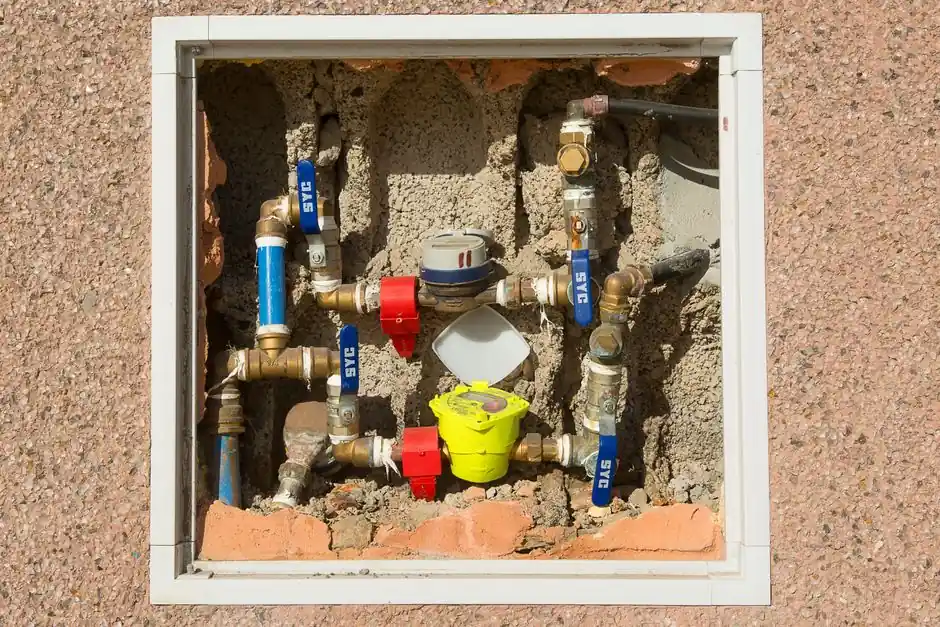 Hot Water Line Slab Leak RepairHot lines fail faster in Venice slabs because warm copper corrodes sooner. Pressure testing isolates the hot run so we repair the right line the first time.Explore →
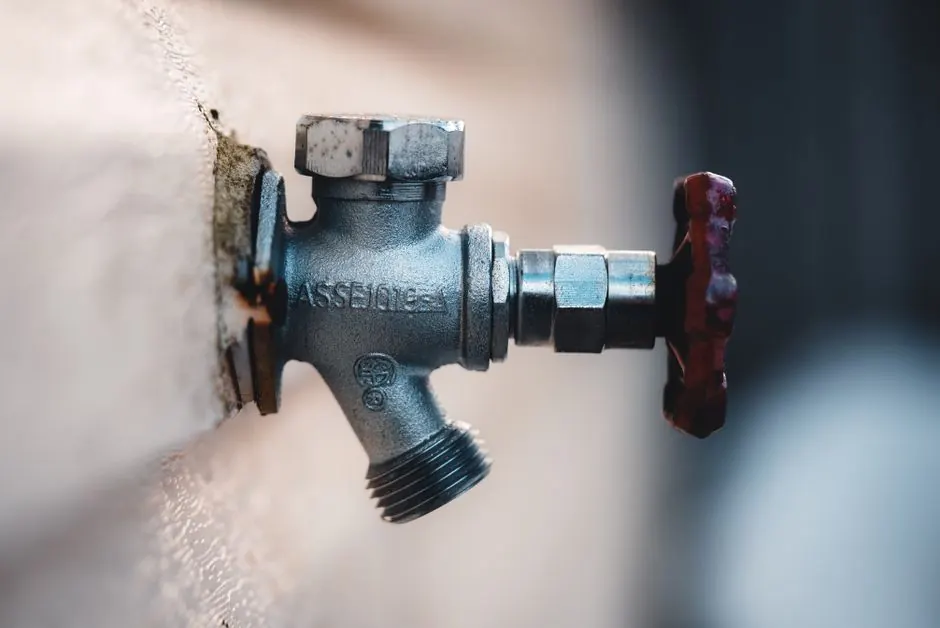 Cold Water Line Slab Leak RepairA cold line leak can run for weeks without a warm spot on the floor. Our gauge test catches it early, before the slab saturates and the flooring lifts.Explore →
 Copper Pipe Slab Leak RepairOlder Venice homes have copper under the slab, and pinhole corrosion is common. We test the run, then repair or replace the failed section with code-correct fittings.Explore →
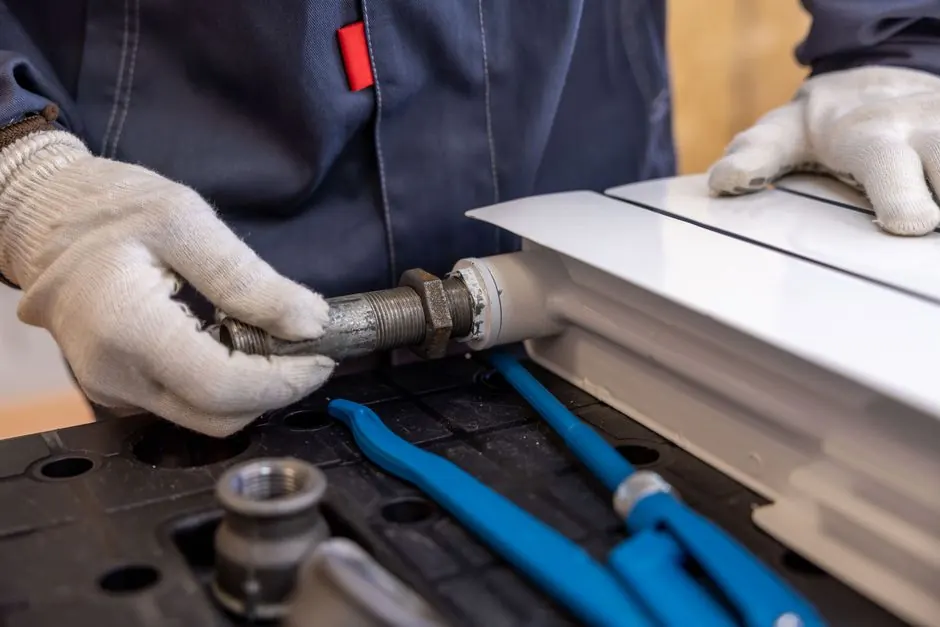 PEX Pipe Slab Leak RepairPEX holds up well, but fittings and crimp rings can fail. Pressure testing tells us whether the loss is at a fitting or in the run itself, which changes the repair.Explore →
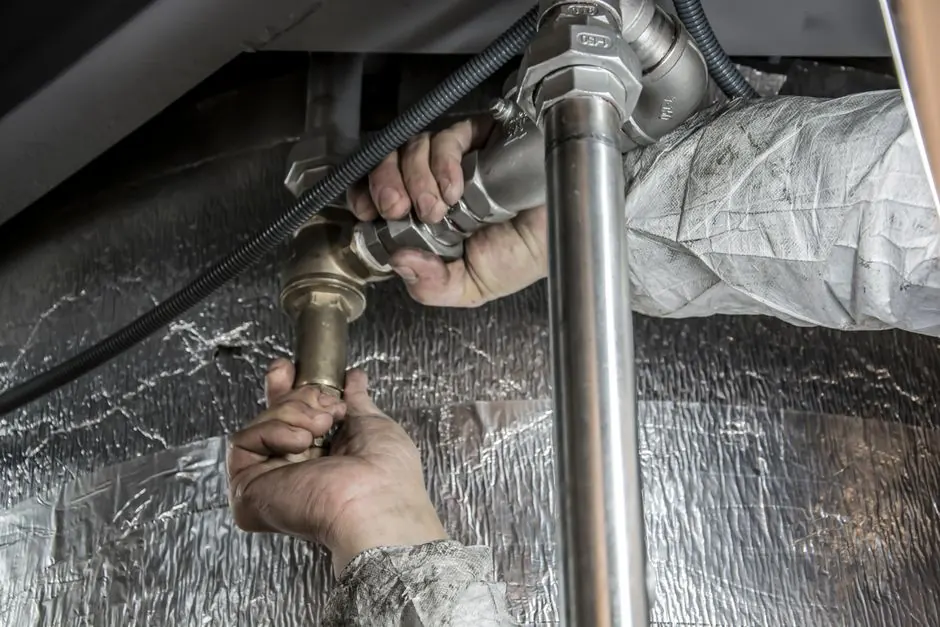 Polybutylene Pipe Slab Leak RepairPolybutylene pipe failure is a known problem in 1980s and 1990s builds. Testing confirms the loss, and we usually recommend a reroute over another patch.Explore →
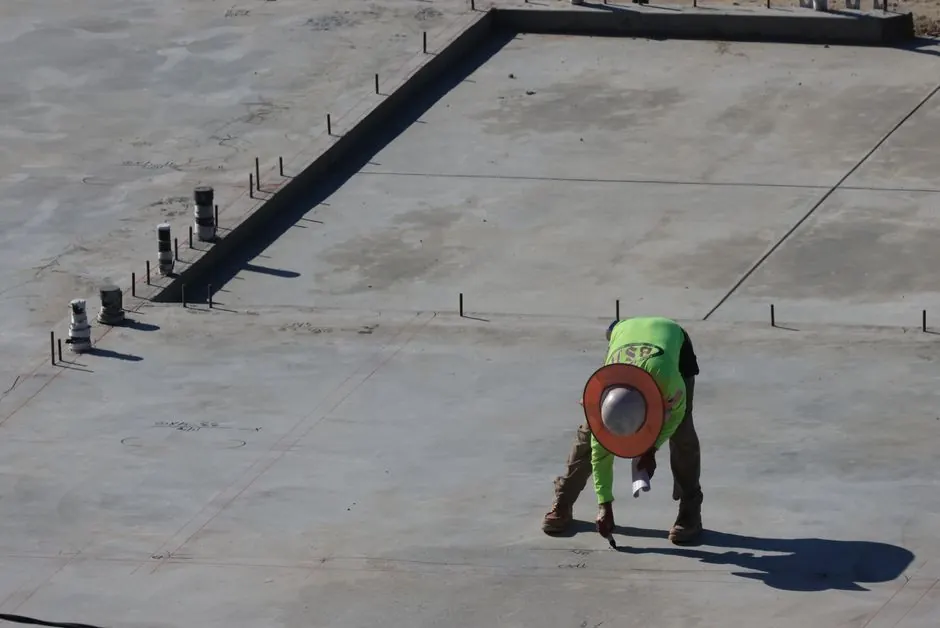 Concrete Slab Leak DetectionWe mark the leak location on your floor before cutting. That keeps the access opening small and protects the rest of your tile or laminate.Explore →
Licensed, insured, and equipped with RIDGID and Sewerin gear on every truck. We test first, cut second, and show you the readings before we quote the repair. Call (941) 393-1086 for a same-day slot or a 24/7 emergency visit.
Book a Pressure Test (941) 393-1086 →Reach us at (941) 393-1086 any hour for slab leak detection and repair in Venice, Florida. We answer the phone ourselves, and emergency calls get a truck rolling fast. For scheduled work, we book same-day detection most weekdays and confirm your window before we head out.