Warm spot on the floor that will not cool down
We scan the slab, confirm the hot line with acoustic equipment, and repair the copper or PEX run through a small access cut. Most repairs close the same day and the meter stops spinning immediately.
Thermal Imaging Leak Detection Venice FL uses an infrared camera to read temperature differences across your floor and show exactly where water is escaping under the slab. If your floor feels warm in one spot, your water bill jumped, or you hear water running with everything shut off, we find the source in about an hour. We serve homeowners and property managers across Sarasota County, and we carry the tools to confirm the leak before anyone touches your concrete.
Tell us what is happening. A local dispatcher will confirm your visit shortly.
Call Now (941) 393-1086 → No spam. No obligation. Just practical help.
Thermal Imaging Leak Detection Venice FL is a non-invasive diagnostic method that uses an infrared camera to map temperature differences across your floor and walls. Warm water escaping from a pressurized line heats the surrounding concrete, and the camera reads that heat as a bright signature. Cold water leaks show as cooler patches. We scan the slab, mark the anomaly, then confirm it with an acoustic leak detection microphone and a pressure testing gauge before we quote any repair.
In Venice, that matters because so much of the housing stock sits on slab-on-grade foundations with copper or polybutylene pipe buried underneath. Copper pipe corrosion and polybutylene pipe failure are the two calls we run most, and both hide for months before the floor feels warm or the water bill doubles. If you have been searching for thermal imaging leak detection near me Venice, this is the step that saves you from jackhammering the wrong room.
Every thermal scan includes the camera work, the confirmation tools, and a marked location you can see. Repairs are quoted separately so you can decide with the facts in front of you. Here is what comes standard on a Venice call.
We walk the entire accessible slab with a calibrated thermal imaging camera, room by room, and log every temperature anomaly. You get photos of the findings and a plain-English explanation of what each one means.
The camera narrows the search; the acoustic leak detection microphone and pressure testing gauge confirm it. We do not quote a repair off a thermal image alone.
We tape the leak location on your floor so you can see exactly where the repair will happen. That mark usually falls within 6 to 12 inches of the actual break.
A moisture meter and infrared thermometer back up the camera reading, which matters on sun-loaded slabs where surface heat can fool a single tool.
You get a written flat price for the repair before we open any concrete, based on the pipe material, depth, and access needed. The number does not move once work starts.
We ask three questions: is the floor warm, is the meter spinning with everything off, and do you hear water running? Your answers tell us whether this is a hot water line slab leak, a cold water line slab leak, or a drain issue. Most calls get a same-day window.
We walk the slab with a thermal imaging camera and log temperature differences room by room. A hot line leak reads 4 to 10 degrees warmer than the surrounding concrete. We photograph every anomaly so you see what we see.
The camera narrows the area; an acoustic leak detection microphone confirms it. We pressurize the line with a pressure testing gauge and listen for the hiss of escaping water. Two tools agreeing on one spot is how we avoid cutting the wrong slab.
We mark the leak on the floor with tape and give you a flat repair price before any concrete is opened. You see the location, the pipe material, and the scope. No surprise numbers after the fact.
We open a small access point, repair or reroute the line, close the concrete, and pressure-test the whole run before we pack up. You get a dry floor, a normal meter, and a written warranty on the repair.
Purpose-built equipment, used by trained technicians — so the job is done accurately the first time.
Reads temperature differences across the slab to flag hot and cold water line leaks. We use it as the first pass on every scan.
Listens for the hiss of pressurized water escaping a pipe. It confirms what the camera flags before we quote a repair.
Measures line pressure before and after repair. If the gauge holds, the fix held.
Lets us look inside accessible lines and drains to rule out blockages or root intrusion before we commit to a slab repair.
Backs up the thermal camera on sun-loaded slabs where surface heat can create false positives.
Maps the underground run so we know what we are cutting toward before the saw comes out.
A homeowner noticed a warm stripe across the kitchen floor and a water bill that climbed $140 over two months. Two other companies quoted a full slab break without scanning first.
We scanned the slab, found the hot water line leak within 8 inches of the mark, and repaired the copper through a 14-inch access cut. The meter stopped spinning the same day and the bill dropped back to normal the next cycle.
A rental property had a damp carpet in the hallway and a tenant complaint. The home had original polybutylene pipe from the 1980s, and the leak had been running long enough to soften the drywall base.
Thermal imaging located the failing section, and we rerouted the run through the attic instead of patching the poly. The repair took one day, the carpet dried out, and the tenant stayed in place.
A condo owner in Venice Beach had a neighbor reporting moisture on the ceiling below. The leak was cold water, which is harder to see on a thermal scan, and the HOA wanted proof before opening the slab.
We scanned with the AC off, confirmed the cold water line leak with acoustic equipment, and opened a 12-inch access point. The repair held on the first pressure test, and the HOA got photos and a written report.
Most slab leaks announce themselves the same way: a warm floor, a spinning meter, or a water bill that makes no sense. Here are the problems we get called for most, and what happens if they are left alone.
Ask a pro →We scan the slab, confirm the hot line with acoustic equipment, and repair the copper or PEX run through a small access cut. Most repairs close the same day and the meter stops spinning immediately.
Thermal imaging finds the leak fast, and we pressure-test the line to confirm it. Once repaired, we retest so you can watch the meter stay still with everything off.
We use the acoustic leak detection microphone to pinpoint the sound, cross-check it with the thermal camera, and open the smallest possible access point to repair the line.
A moisture meter plus thermal imaging tells us whether the source is a slab leak or a drain issue. If it is the slab, we repair the line and dry the area before we close the concrete.
$250 - $450 for the thermal scan; $850 - $3,200 for most slab leak repairs depending on scope
Thermal scans in Venice run $250 to $450 in 2026, and we credit part of that toward the repair when you hire us. Repair pricing depends on pipe material, depth, and how much concrete we open, and you get a flat number before we cut. We do not charge for the phone triage that tells you whether a scan is even needed. If you have been looking for affordable thermal imaging leak detection Venice, Florida, this is how we keep it honest: scan first, quote second, repair third.
A scan costs a fraction of exploratory demolition. Finding the leak first keeps the repair small, protects your flooring, and usually pays for itself in one or two water bills.
A 1,200-square-foot condo scans faster than a 3,000-square-foot house with multiple zones. Larger slabs take longer to walk and may need zone isolation testing.
Copper pipe repairs are straightforward. Polybutylene pipe failure usually means rerouting the run, which adds labor and materials but prevents a repeat leak.
A line 4 inches under the slab is easier to reach than one under a thickened footing. Depth drives how much concrete we open and how long the patch takes to cure.
Tile and engineered wood can often be lifted and reset. Glued-down hardwood or stone may need a flooring pro after we finish, and we tell you that upfront.
“Our water bill jumped $140 and we could not figure out why. They scanned the whole slab in about an hour, found a hot water line leak under the kitchen, and showed us the thermal image on the screen. Cut a small square, fixed the copper, and pressure-tested it before they left. Floor is dry and the meter finally stopped.”
Dana R.Homeowner, Venice Gardens
✓ Verified“I manage six rentals and had a tenant complaining about a warm spot in the hallway. Venice Slab Leak Pros scanned it the same day, confirmed it with the acoustic mic, and had the polybutylene line rerouted by the next afternoon. Clear pricing, no drama, and they sent me photos of the repair for my records.”
Marcus T.Property Manager, South Venice
✓ Verified“We were told by another company we needed to jackhammer half the living room. These guys scanned first, found the leak within a foot of the wall, and opened a hole the size of a dinner plate. Saved our tile and about two thousand dollars. I will not call anyone else for a slab leak.”
Elaine P.Homeowner, Venice Beach
✓ VerifiedAn infrared camera reads temperature differences on your floor, and escaping hot water shows as a warm patch while cold water shows as a cool one. We scan room by room, flag the anomaly, then confirm it with an acoustic microphone and a pressure test. The whole scan takes 45 to 90 minutes on a typical Venice slab, and you get the marked location the same visit.
Most thermal scans in Venice run $250 to $450 in 2026, and we credit part of that toward the repair when you hire us. Price depends on square footage, how many lines we test, and whether we need to isolate zones. You get the number before we start, and there is no charge for the phone triage that tells you whether a scan is even needed.
Yes, when it is paired with a second tool. A thermal camera alone can be fooled by sun-loaded slabs and AC ducts, so we always confirm with an acoustic leak detection microphone and a pressure testing gauge. Two methods agreeing on one spot gets us within 6 to 12 inches of the break, which is why our access cuts stay small.
We do. Venice Slab Leak Pros runs infrared leak detection 24/7 Venice FL wide, covering Venice Beach, South Venice, Venice Gardens, and the surrounding Sarasota County neighborhoods. Call (941) 393-1086 and we will tell you on the phone whether your symptoms point to a slab leak or something simpler.
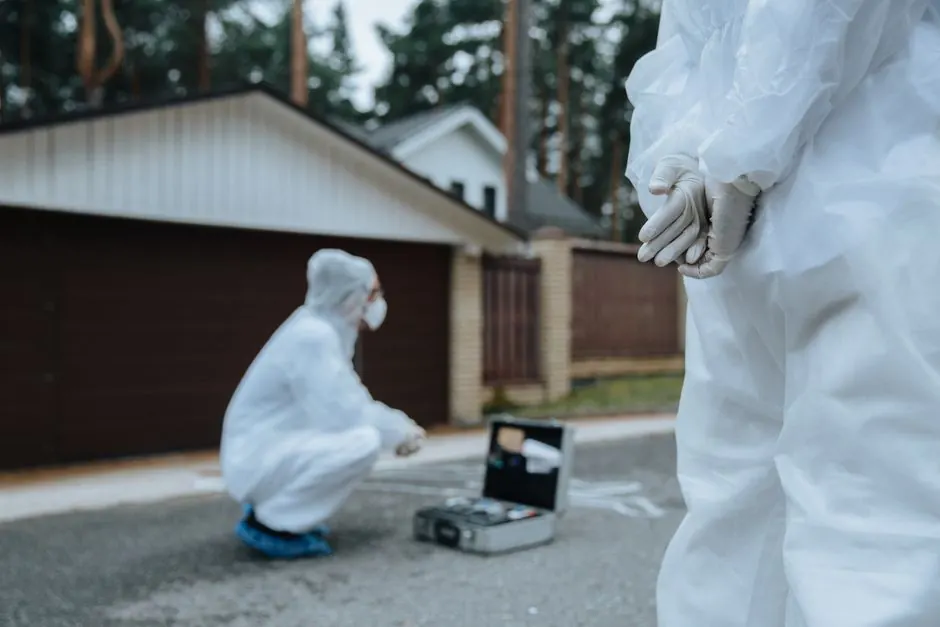 Slab Leak DetectionThermal imaging is one tool in our slab leak detection kit. We pair it with acoustic listening and pressure testing to confirm the leak before any concrete is opened. If the camera flags a spot, this service proves it.Explore →
 Under-Slab Water Leak RepairOnce thermal imaging marks the break, we open a small access point and repair the under-slab water leak. Most repairs close the same day, and we pressure-test the line before we patch the concrete.Explore →
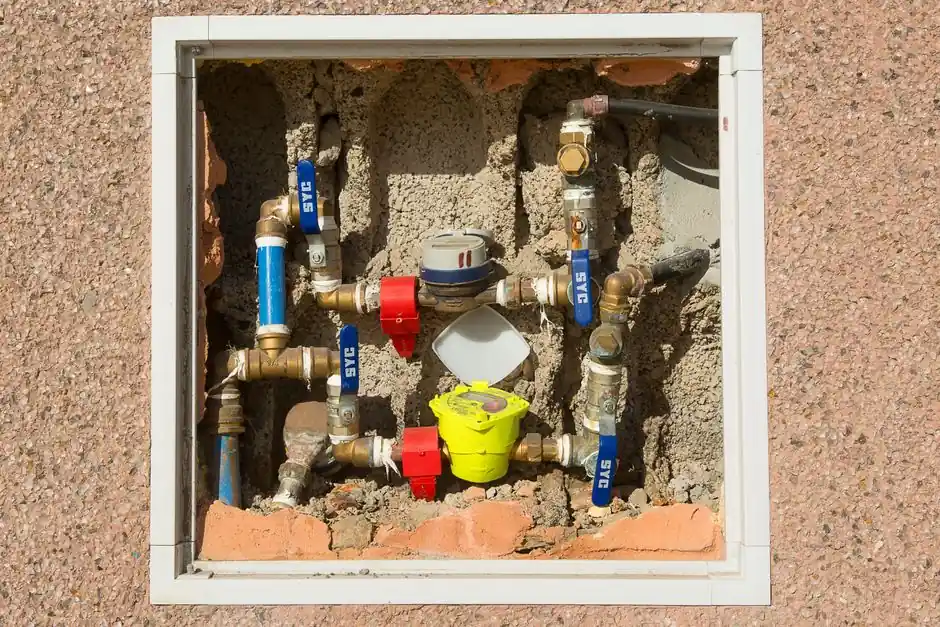 Hot Water Line Slab Leak RepairHot water leaks are the easiest for a thermal camera to catch because the escaping water is 4 to 10 degrees warmer than the slab. If your floor has a warm stripe, this is likely the repair you need.Explore →
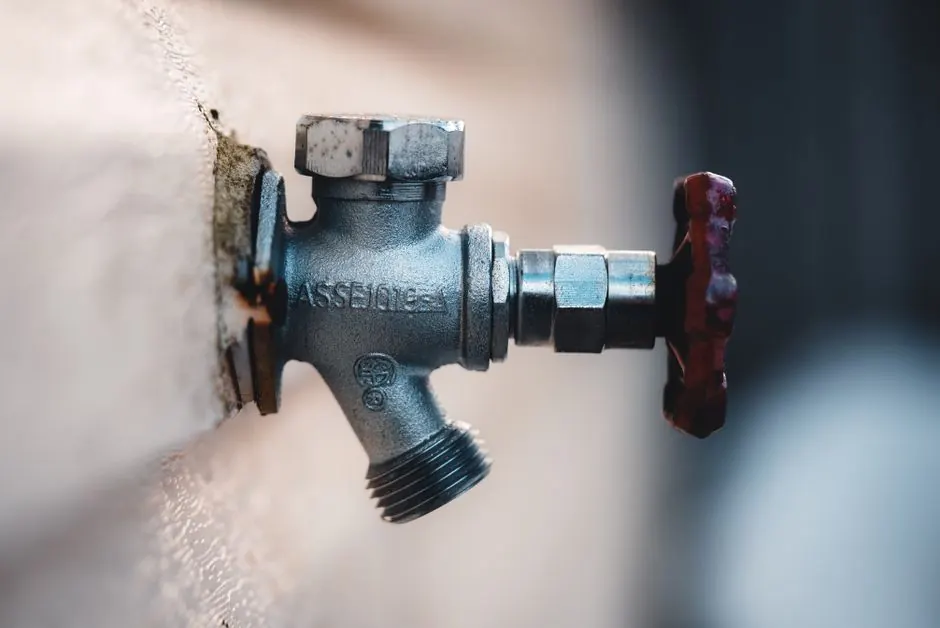 Cold Water Line Slab Leak RepairCold water leaks read as cooler patches on the thermal scan and are harder to spot. We confirm them with acoustic equipment before we cut, then repair the line and retest the run.Explore →
 Copper Pipe Slab Leak RepairCopper pipe corrosion is the most common cause of slab leaks in Venice homes built before 1990. Thermal imaging finds the pinhole, and we repair or reroute the copper run with code-correct fittings.Explore →
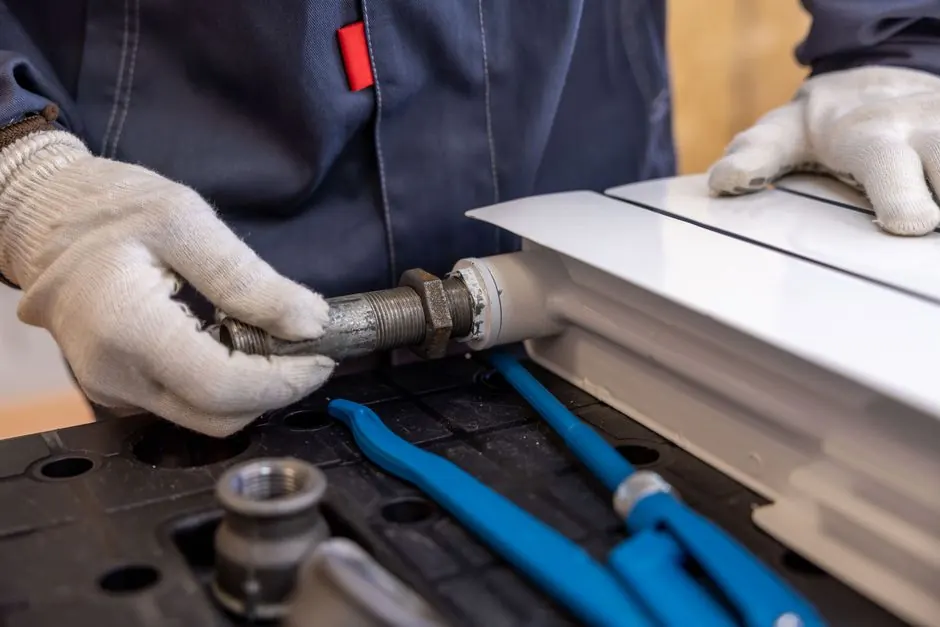 PEX Pipe Slab Leak RepairPEX pipe rarely fails at the wall but can leak at a fitting under the slab. The thermal camera reads the fitting location, and we repair the joint without tearing up the whole floor.Explore →
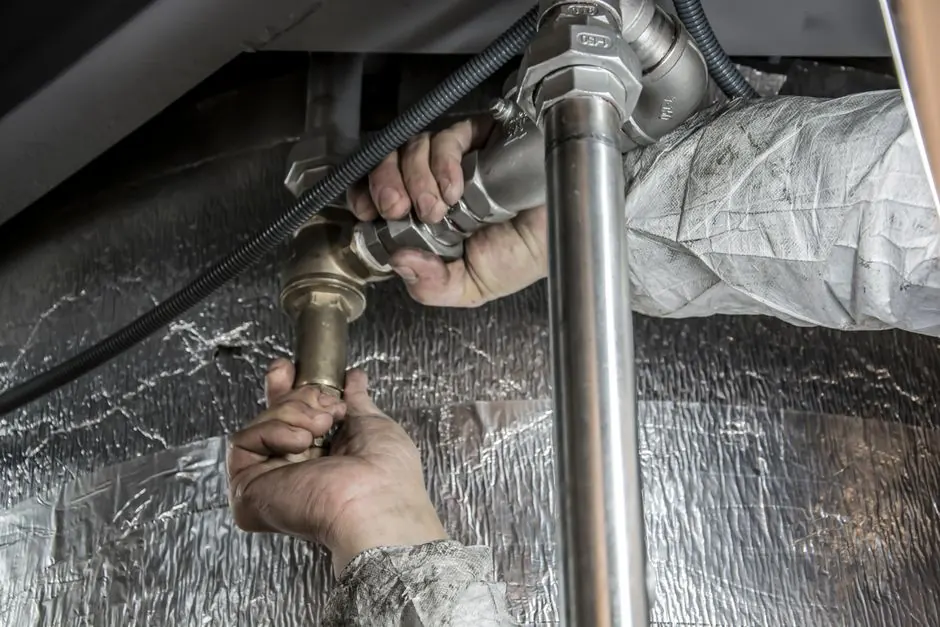 Polybutylene Pipe Slab Leak RepairPolybutylene pipe failure is common in Venice homes from the late 1970s and 1980s. Thermal imaging locates the failing section, and we usually recommend rerouting the run rather than patching a material that will fail again.Explore →
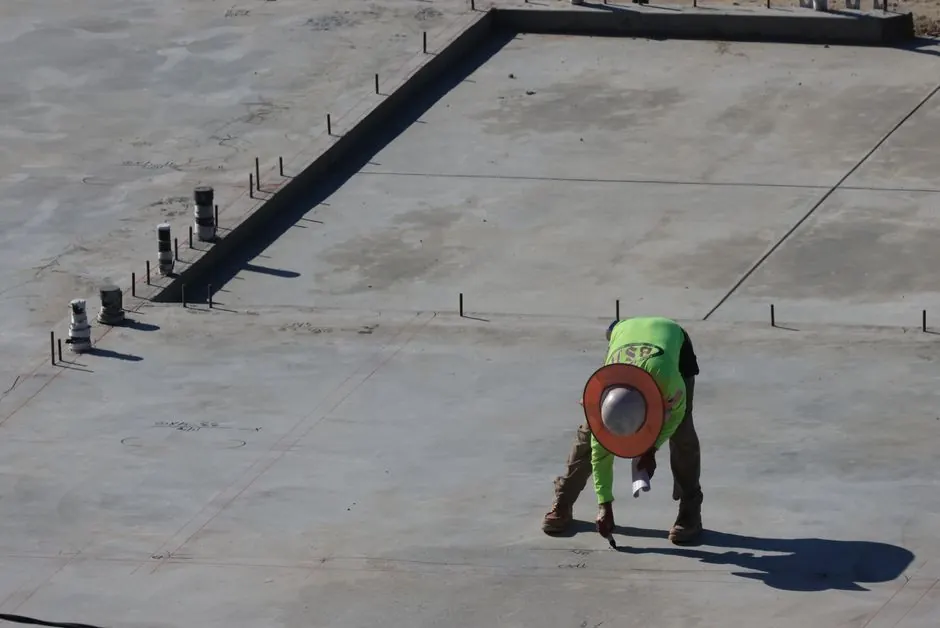 Concrete Slab Leak DetectionThermal imaging is our first pass on concrete slab leak detection. It narrows the search area so the acoustic and pressure tests can confirm the exact break point with minimal guesswork.Explore →
If your floor is warm, your meter is spinning, or you hear water running with everything off, call us now. We answer 24/7, we are licensed and insured, and we credit part of the scan toward the repair. Call (941) 393-1086 and we will tell you on the phone whether you need a scan today.
Book a Thermal Scan (941) 393-1086 →Reach us at (941) 393-1086 any hour for slab leak detection and repair in Venice, Florida. We answer the phone ourselves, and emergency calls get a truck rolling fast. For scheduled work, we book same-day detection most weekdays and confirm your window before we head out.